Leave Your Message
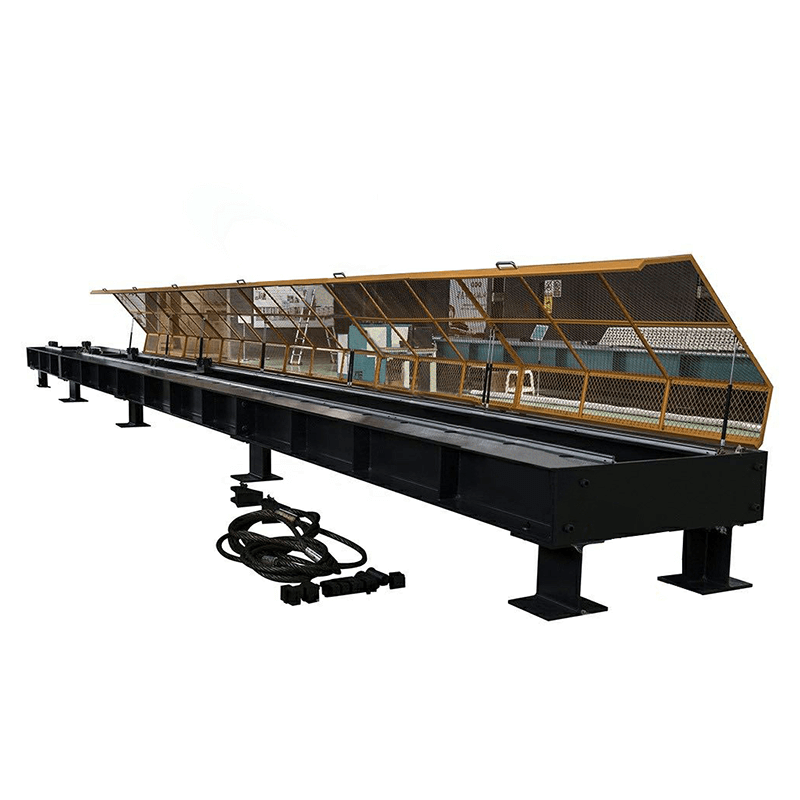
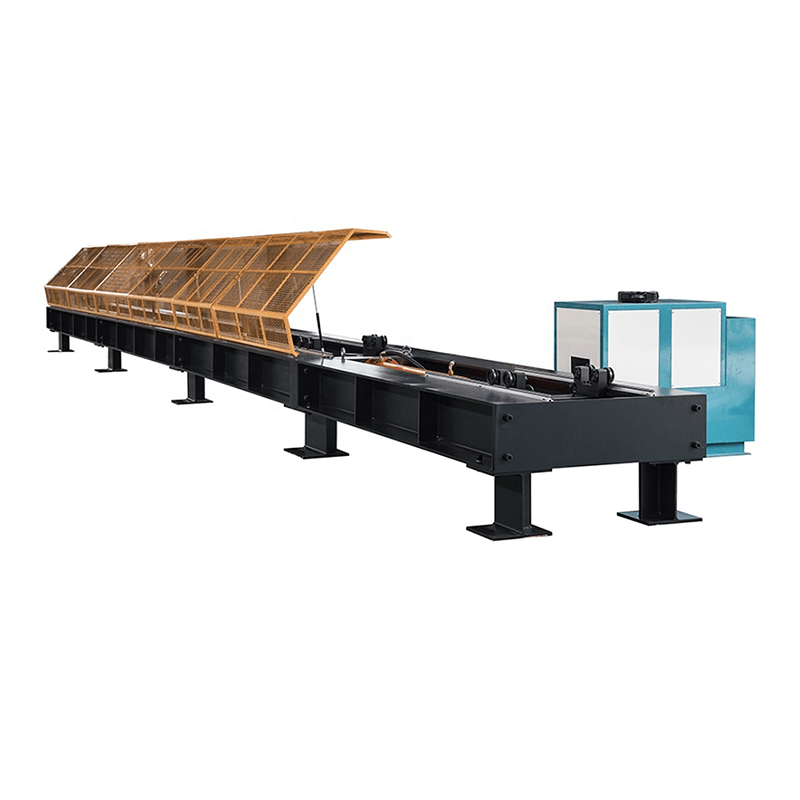
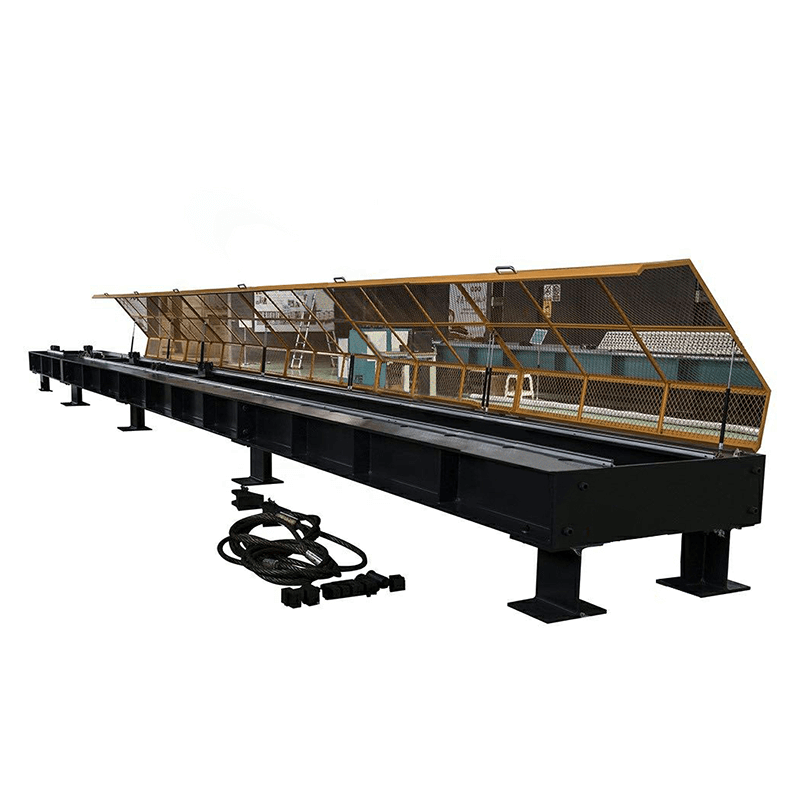
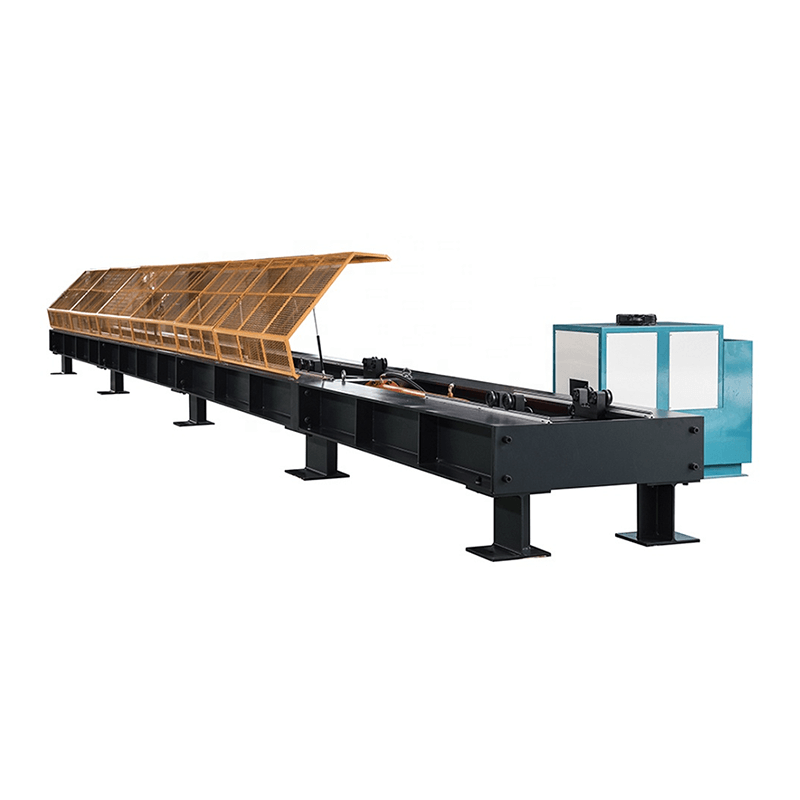
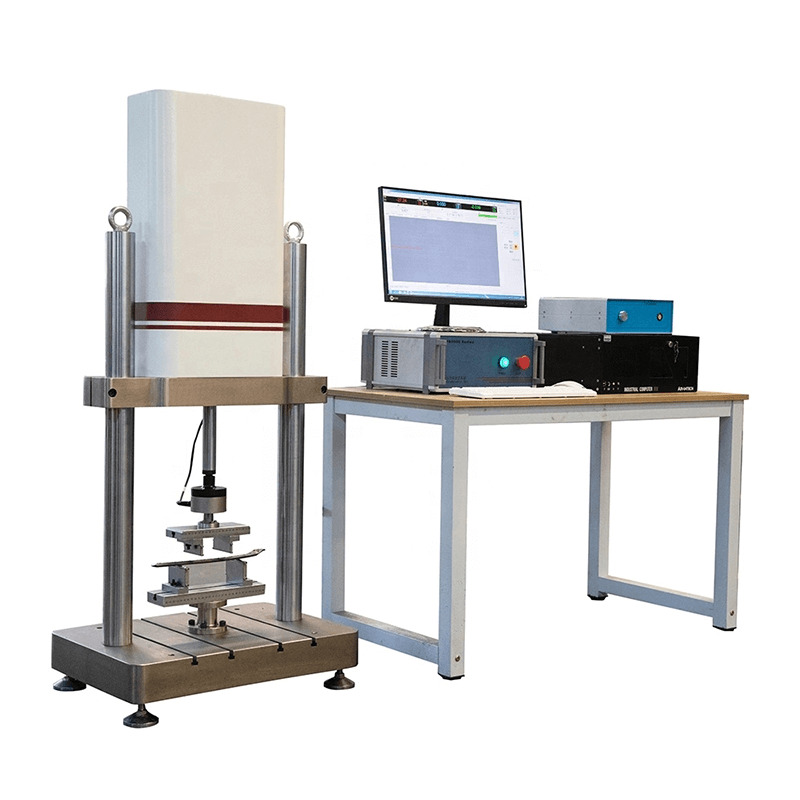
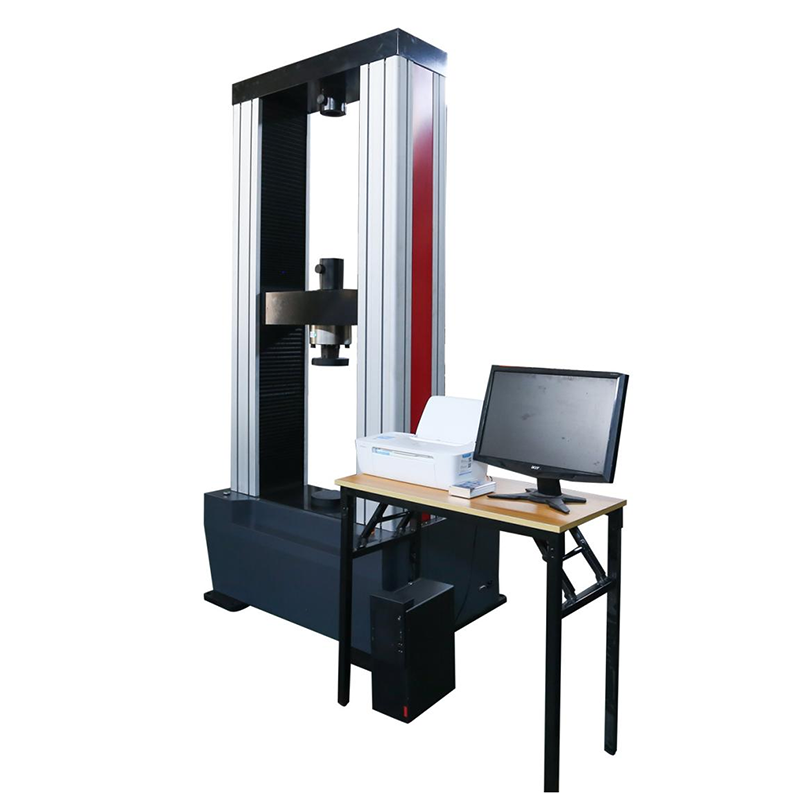
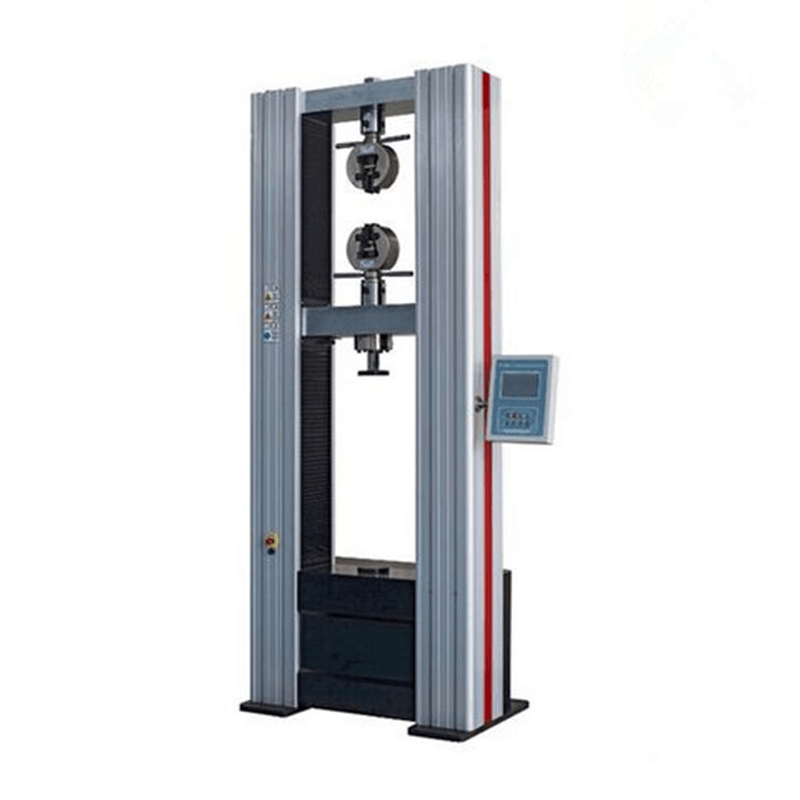
Astm Universal Tensile Testing Machine

Best High-Quality Astm Universal Tensile Testing Machine Quotes, Exporters

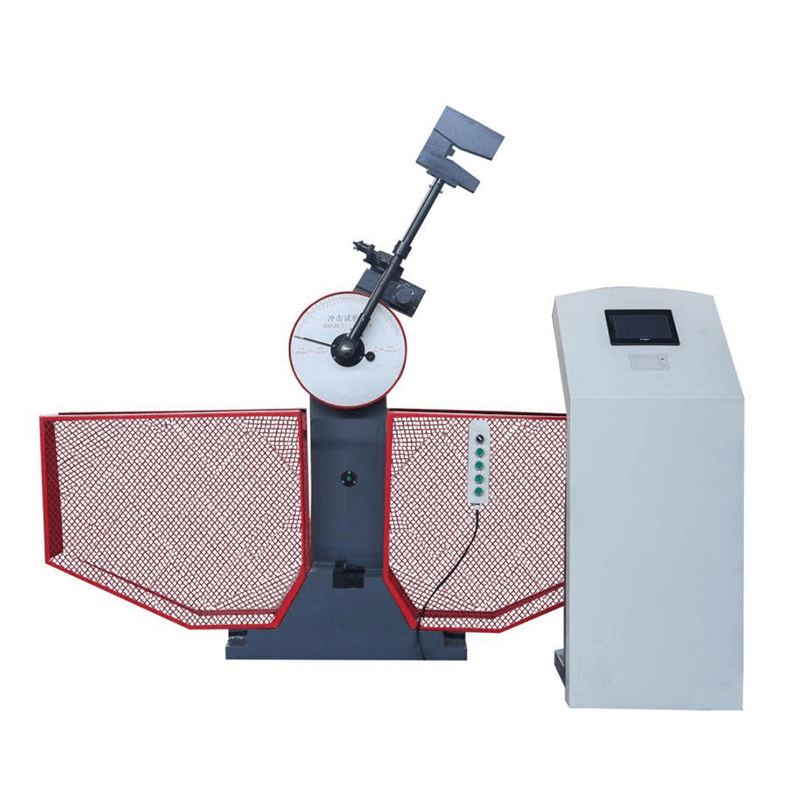
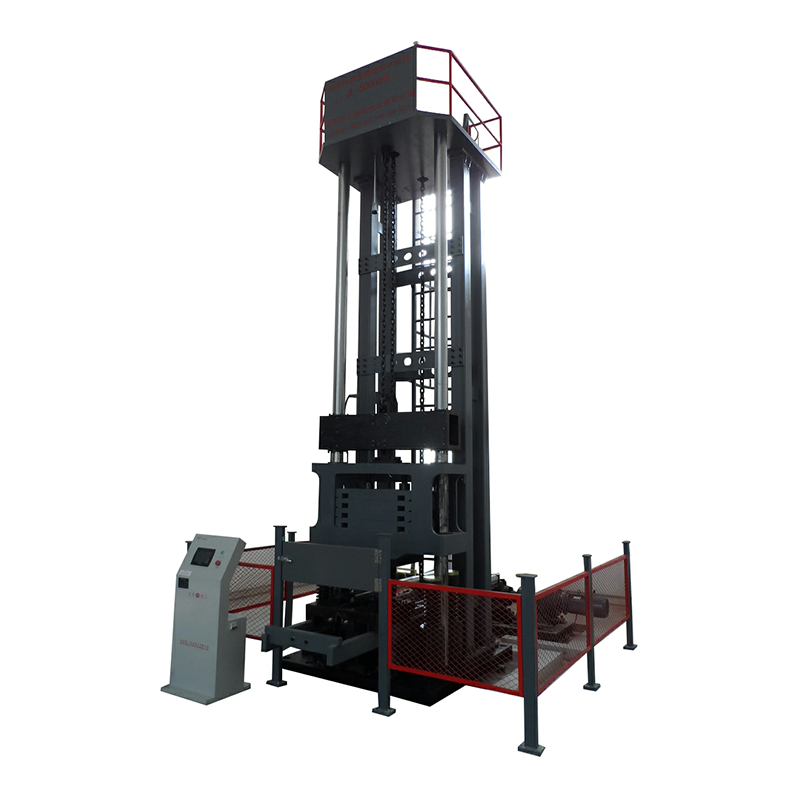
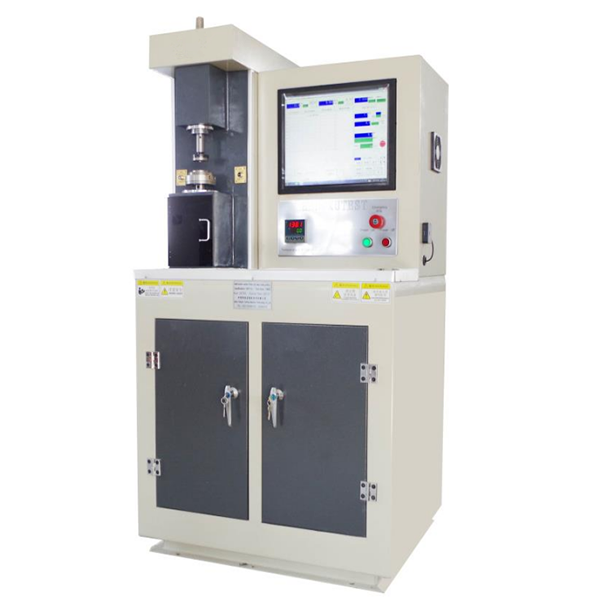
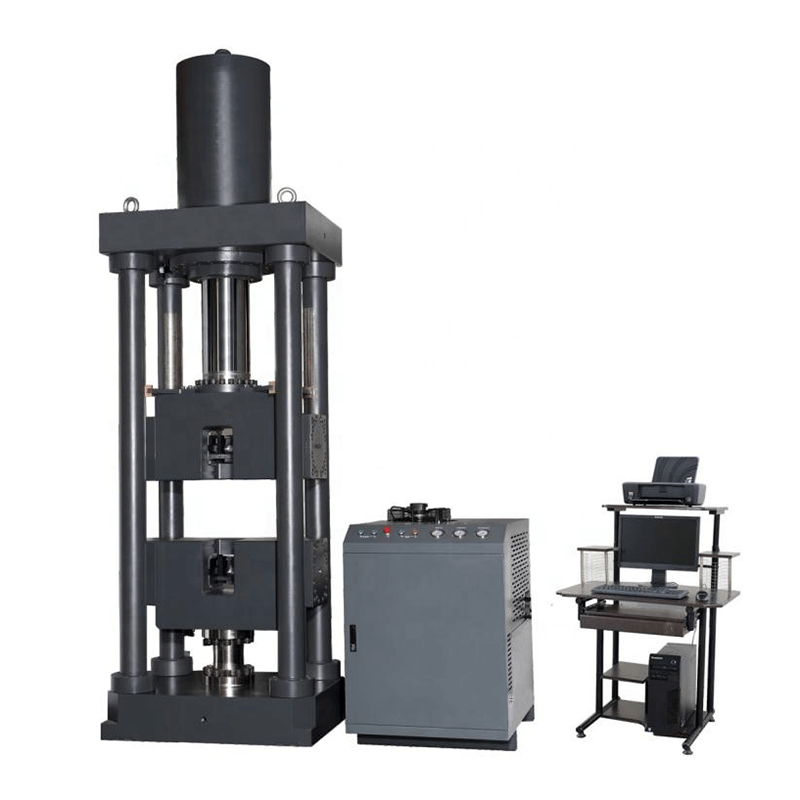
Welcome to Chengyu Testing Equipment Co., Ltd., your premier source for high-quality ASTM universal tensile testing machines. With a commitment to quality and innovation, we are dedicated to providing advanced testing solutions that meet the rigorous demands of industries worldwide. Our state-of-the-art machines are designed to evaluate the Tensile Strength, compressive strength, and material properties of a wide range of materials, ensuring that your products meet the highest standards of reliability and performance. Whether you are in construction, manufacturing, or research and development, our solutions empower you to achieve greater accuracy and efficiency in your testing processes, As a leading exporter in the testing equipment sector, Chengyu Testing Equipment Co., Ltd. is proud to serve a global clientele, delivering top-notch products backed by exceptional customer service. Our ASTM universal tensile testing machines are engineered with precision and are fully compliant with international testing standards, making them an essential investment for any business looking to enhance its product quality and safety. By choosing Chengyu, you gain a trusted partner who understands your needs and is ready to support your testing requirements every step of the way. Join our growing family of satisfied customers and discover how our high-quality solutions can elevate your operations to new heights

Hot Selling Product

How To Compare Astm Universal Tensile Testing Machine Ahead of the Curve Supplier

When it comes to sourcing an ASTM universal tensile testing machine, understanding the key features and supplier reliability is crucial for procurement professionals. These machines are essential for measuring the tensile strength of materials, facilitating compliance with industry standards, and ensuring product quality. Thus, identifying suppliers that not only provide high-quality equipment but also offer exceptional after-sales support is vital. One of the first steps in comparing suppliers is to evaluate their manufacturing capabilities and certifications. Look for companies with a solid reputation in the industry, a robust research and development department, and those who adhere to international quality standards. Additionally, consider the location and capacity of their production facilities. Suppliers with a centralized production line can often offer more competitive pricing and shorter lead times. Furthermore, assess the technology each supplier employs in their equipment. Features such as digital interfaces, automation capabilities, and adaptability to various testing standards can greatly influence the efficiency and accuracy of testing processes. Don’t forget to inquire about customer testimonials and case studies, as these provide insights into the reliability and performance of the equipment in real-world applications. By conducting a comprehensive comparison based on these factors, you can make an informed decision and partner with a supplier that will keep you ahead of the curve in your industry.

How To Compare ASTM Universal Tensile Testing Machine Ahead of the Curve Supplier

Supplier Type Machine Model Maximum Load (kN) Test Speed (mm/min) Software Compatibility Calibration Certificate Warranty Period (Years)
Domestic UTM-1000 100 2 - 500 Windows, Linux Provided 2
International UTM-2000 200 5 - 1000 Windows Included 3
Local UTM-500 50 1 - 300 Mac, Windows Not Provided 1
International UTM-1500 150 3 - 700 Windows Provided 5

Related products

Decoding Astm Universal Tensile Testing Machine Products in 2025

Comparison of Tensile Strength Across Different Materials

This graph illustrates the tensile strength of various materials commonly encountered in manufacturing and engineering applications. Steel is shown to have the highest tensile strength at 400 MPa, making it an excellent choice for load-bearing structures and components. Aluminum, while lighter and easier to work with, exhibits a tensile strength of 300 MPa, providing a good balance between weight and strength. Brass, with a tensile strength of 250 MPa, is often used for applications requiring corrosion resistance and good machinability, whereas plastic shows substantial flexibility and a much lower tensile strength of 50 MPa, which limits its use in structural applications. Finally, composite materials, which boast a tensile strength of 350 MPa, are increasingly popular due to their high strength-to-weight ratio. Understanding these differences is crucial when selecting materials for specific applications, ensuring performance and safety standards are met.

Top Selling Products
O
Oliver Thompson
The quality is unmatched! It feels premium, and I couldn’t ask for more in terms of performance.
09 May 2025
L
Liam Scott
Very pleased with my purchase! The service team was knowledgeable and solved my issues with ease.
05 July 2025
A
Ava Lee
Truly impressed! The quality exceeds expectations, and the after-sales support was more than helpful.
16 May 2025
A
Ariana Rivera
Absolutely love it! High quality and the customer service staff was incredibly helpful.
30 June 2025
P
Penelope Brooks
Wonderful quality and the customer care is exceptional! The staff made all the difference.
27 June 2025
C
Claire Wilson
Excellent choice! The functionality is amazing and the service from the team is always reliable.
13 June 2025

Leave Your Message