


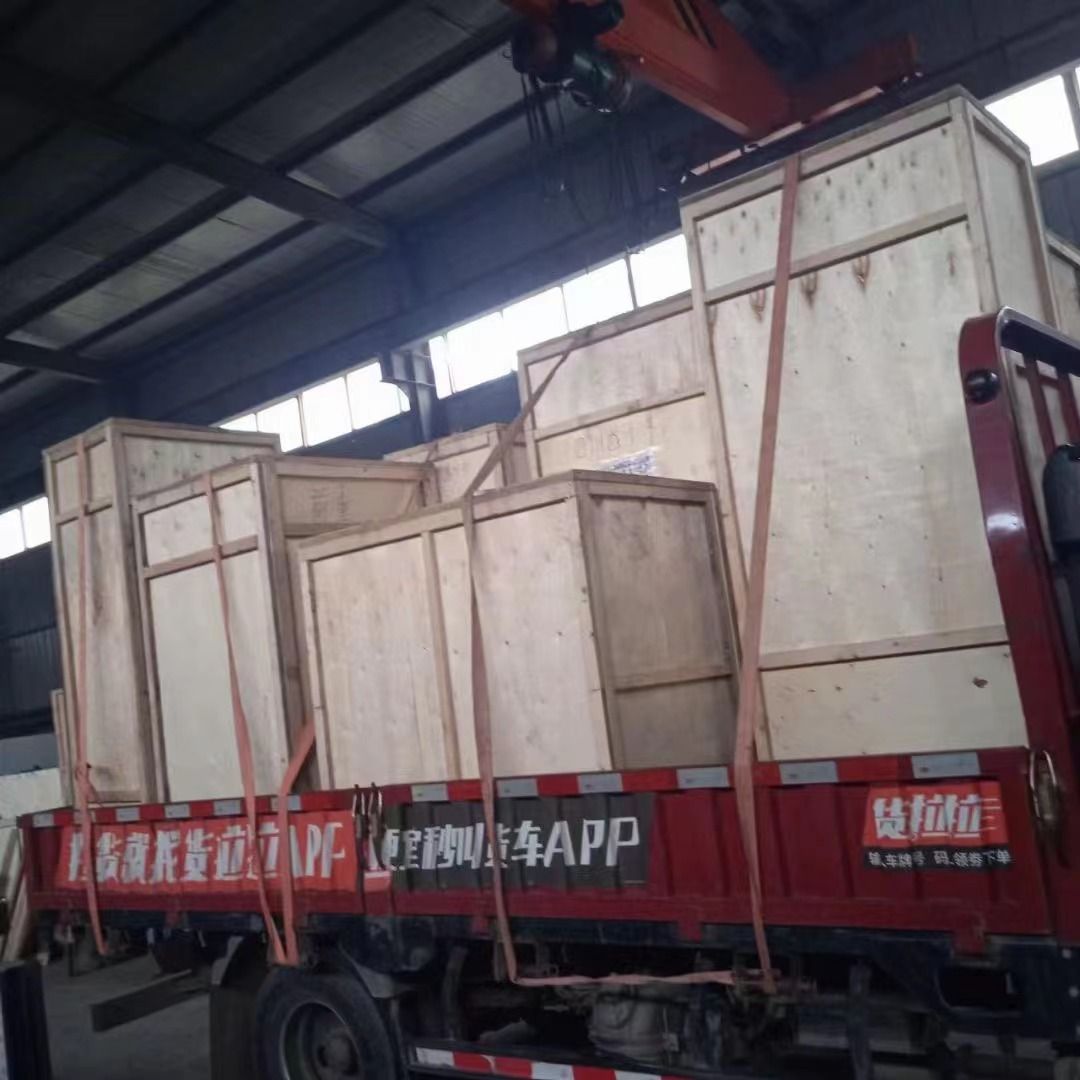
Charpy Testing Machine & Izod Impact Tester — Core Equipment for Material Impact Performance Evaluation
Material impact resistance is one of the critical indicators to evaluate material toughness and anti‑brittle‑fracture capability. Impact Testing Machine, including Charpy Testing Machine and Izod Impact Tester, has become essential laboratory instruments for R&D, incoming inspection and finished‑product quality control across metal, polymer, composite, automotive and aerospace industries.
The Charpy test adopts simply‑supported beam specimen structure, while the Izod test applies cantilever beam clamping mode. Both pendulum‑type impact testers calculate absorbed impact energy by measuring pendulum energy loss after specimen fracture, to judge whether materials may suffer brittle failure under sudden shock load.
These series of test equipment need to comply with widely‑recognized global standards. For metallic material Charpy impact test, main references cover ISO 148‑1, ASTM E23, GB/T 229‑2020, BS 131 and EN series standardsChinese St.... For plastic and polymer specimens, Charpy tests follow ISO 179‑1, ASTM D6110, GB/T 1043.1; Izod impact tests refer to ISO 180, ASTM D256, GB/T 1843. ISO 13802:2025 specifies unified verification requirements for Charpy Testing Machine, Izod Impact Tester and general pendulum impact testing machines, standardizing equipment calibration and validation procedures worldwideISO.
Modern‑generation Impact Testing Machine supports manual, semi‑automatic and fully‑automatic configurations. High‑end models are equipped with digital data acquisition, automatic specimen feeding, temperature‑controlled chamber and data report output functions. One integrated unit can switch between Charpy and Izod test modes, greatly reducing fixture‑changing time for multi‑material laboratories, and ensuring test repeatability in accordance with ISO, ASTM, GB and EN standard requirements.
In automotive component development, new‑energy material validation, third‑party lab accreditation and university material research projects, Charpy Testing Machine, Izod Impact Tester and general Impact Testing Machine play an irreplaceable role. Market feedback shows that end‑users pay more attention to equipment stability, standard compliance, data traceability and after‑sales calibration service, rather than only focusing on basic energy parameters.
As material performance requirements keep raising across global industries, impact test instruments will continue to evolve toward higher automation, better data interoperability and broader‑range standard compatibility, to meet diversified testing demands for metals, plastics, alloys and advanced composites.